

A hot water system is easy to ignore while it is working.
It sits outside, in a cupboard or down the side of the house and does its job quietly. As long as the shower is hot, most people do not think about it.
But hot water is one of the larger energy uses in an Australian home. If the system is old, inefficient or starting to fail, it may keep working while costing more than it should.
The real problem is timing.
Hot water systems often fail when the household has no time to make a good decision. Suddenly there are no hot showers, a plumber is needed, and the priority becomes getting hot water back as quickly as possible. That is when many households replace one expensive-to-run system with another.
It is better to notice the warning signs before the system fails.
It Is More Than 10 Years Old
A hot water system does not need to be replaced simply because it has reached ten years of age.
But ten years is a sensible time to start paying attention.
Older systems can lose performance gradually. They may take longer to recover after several showers, use more energy, or become more vulnerable to leaks, corrosion, valve faults and electrical problems.
Because the decline is gradual, it is easy to leave the system alone until it fails completely.
A planned replacement gives you time to consider the right size, the right technology, the installation location, solar compatibility and any rebates that may apply. An emergency replacement gives you far fewer choices.
Your Energy Bills Are Increasing
If household usage has not changed but energy bills keep rising, the hot water system is worth checking.
This is especially true for older electric storage systems, older gas systems, or systems that heat water at expensive times of day.
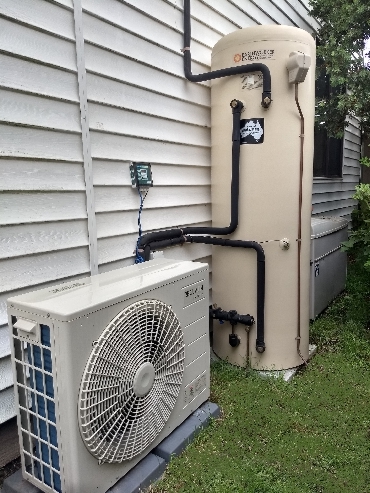
A traditional electric storage system uses electricity to heat water directly. A heat pump hot water system works differently. It draws heat from the surrounding air and transfers that heat into the water in the tank.
That is why a heat pump can use much less electricity to produce the same amount of hot water.
For homes with rooftop solar, the benefit can be greater. A heat pump can often be set to run during the day, when the solar panels are producing power. Instead of exporting excess solar for very little return, the household can use that energy to heat water and store it for later.
The Water Is Not as Hot or Reliable
A struggling hot water system often gives warning signs before it stops.
The water may not be as hot as it used to be. The temperature may move around. The household may run out of hot water sooner. The system may take longer to recover after several people have showered.
Sometimes this can be repaired. A thermostat, element, tempering valve or another component may be the issue.
But if the system is older and the same problems keep returning, it is worth looking at the whole system rather than replacing one part at a time.
A hot water system that no longer keeps up with the household may be inefficient, undersized or nearing the end of its useful life.
You Keep Paying for Repairs
One repair can make sense.
Repeated repairs are different.
If you are calling a plumber more than once a year, or each repair is followed by another fault, the system may be on the way out.
At that point, the money being spent on repairs may be better put towards replacement. This is particularly true if the system is old, expensive to run or no longer meeting the household’s needs.
A repair may get the hot water back for now. It may not solve the bigger problem.
There comes a point where “just fix it again” stops being the cheaper option.
You Can See Water, Rust or Corrosion
Leaks should not be ignored.
Sometimes water comes from a fitting, valve, pipe or connection. That may be repairable. But if the tank itself is leaking, replacement is usually the practical answer.
Check for damp concrete around the base, water pooling near the unit, rust marks, corrosion around fittings or staining near valves.
Rust is a warning sign, especially on an older system.
This is why the tank matters. It is not just a container beside the heat pump. It holds hot water every day, year after year.
Earthworker Energy manufactures stainless steel hot water tanks in Morwell using corrosion-resistant marine-grade stainless steel, backed by a 15-year tank warranty.
The System Has Become Noisy
Hot water systems are not always silent.
But new or worsening noises should be checked. Banging, rumbling, hissing, popping or groaning can point to pressure issues, sediment, failing parts or general wear.
A heat pump hot water system will make some sound from the fan and compressor. That is normal.
A system that suddenly becomes louder, or starts making sounds it did not make before, needs attention.
Noise does not always mean failure is imminent. It does mean the system should be inspected.
You Are Renovating or Improving the Home
A renovation is a good time to review hot water.
If you are renovating bathrooms, adding solar, replacing gas appliances, upgrading electrical systems or improving the energy performance of the home, the hot water system should be part of the plan.
Hot water is one of the main energy loads in the home. Leaving an old, inefficient system in place while upgrading everything around it can be a missed opportunity.
A planned upgrade allows the system to be sized properly, placed sensibly and set up for the way the home will be used in future.
You Want to Move Away from Gas
For Victorian households with gas hot water, planning ahead is becoming more important.
From 1 March 2027, if a gas hot water appliance reaches the end of its life and cannot be repaired, it must be replaced with an efficient electric alternative.
Existing systems do not need to be removed while they are still working. But end-of-life replacement is changing.
If a gas hot water system fails suddenly, the household may have to make the move to efficient electric hot water under pressure. It is better to understand the options before that happens.
For many homes, heat pump hot water will be the sensible replacement. It can reduce running costs, work well with solar where available and help the household move away from gas without losing reliable hot water.
Rebates May Improve the Timing
Rebates should not be the only reason to choose a hot water system.
They can, however, make a better system easier to afford.
In Victoria, eligible heat pump and solar hot water systems may qualify for government support. Eligible locally made products may attract a higher rebate.
That matters for Earthworker because every Earthworker heat pump hot water system includes an Australian-made stainless steel tank manufactured in Morwell.
The rebate is not just a discount. It also recognises the value of local manufacturing.
Eligibility depends on the product, household, installer and current program rules, so it should always be checked before committing.
Choose Before It Becomes Urgent
If your hot water system is old, unreliable, leaking, noisy, rusting, expensive to run or no longer keeping up with the household, it is worth looking at your options before it fails.
That does not mean rushing into a replacement.
It means taking the time to understand what you have now, what your household needs and which system will make sense over the long term.
Earthworker Energy manufactures premium stainless steel hot water tanks in Morwell and supplies efficient hot water systems designed for long service life, lower running costs and everyday reliability.
Hot water is used every day. It is worth choosing properly.